Learn & Understand


Welcome

This section helps you understand your ACL injury, surgery, and recovery in a simple way.

Recovery after ACL surgery is not only about exercises. It is also about knowing:

  • what happened to your knee

  • what to expect after surgery

  • how recovery usually progresses

  • what is normal

  • when to be careful

  • how to return safely to activity

Our goal is to help you feel informed, confident, and supported throughout your recovery.

 What is an ACL injury?

The ACL (anterior cruciate ligament) is one of the main ligaments inside your knee. It helps keep your knee stable, especially during:

  • turning
  • pivoting
  • sudden stopping
  • landing
  • changing direction

When the ACL is injured, your knee may feel:

  • painful
  • swollen
  • unstable
  • weak
  • less confident during movement

Sometimes, other parts of the knee may also be affected, such as:

  • the meniscus
  • the cartilage
  • the surrounding muscles

Why this matters:
Understanding the injured structures helps you better understand why rehabilitation takes time and why your recovery plan must be done carefully.

 How does an ACL injury happen?

Many ACL injuries happen without direct contact. This is called a non-contact injury.

This can happen during:

  • sudden pivoting
  • awkward landing
  • quick stopping
  • changing direction
  • twisting the knee while the foot is planted

Some ACL injuries also happen from direct contact, such as a hit to the knee during sport or a fall.

Why this matters:
Knowing how the injury happened can help you understand your condition and improve awareness for future prevention.

Understanding ACL surgery

In most cases, a torn ACL is treated with ACL reconstruction (ACLR), not ACL repair.

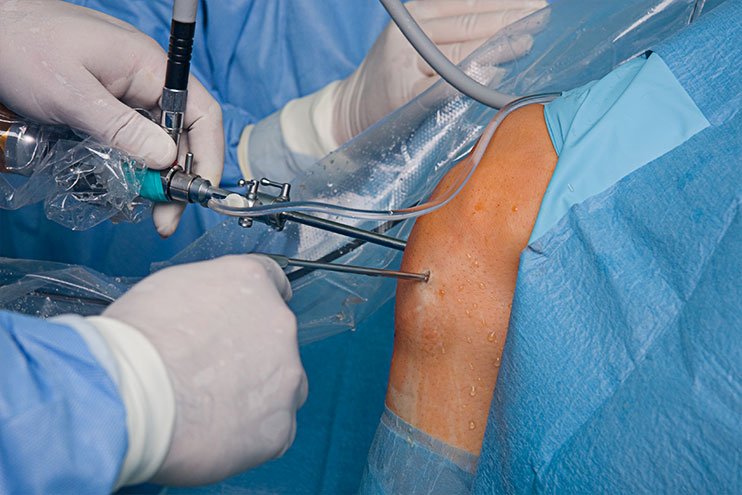
During ACL reconstruction, a graft is used to create a new ligament.

Common graft options

  • Hamstring tendon graft
  • Patellar tendon graft
  • Quadriceps tendon graft
  • Allograft(donor tissue, in selected cases)

Each graft option has its own advantages and considerations. Your surgeon will choose the most suitable option based on your condition, activity level, and clinical needs.

Important:
The correct term is usually ACL reconstruction, because this is the standard approach in most cases.

Important note: not all ACL surgeries are the same

Not all ACL reconstructions are done in isolation.

Some patients may also have:

  • meniscal repair
  • meniscectomy
  • cartilage-related procedures
  • other associated treatments

This means your post-operative instructions may be different.

For example, you may have different:

  • weight-bearing limits
  • range of motion restrictions
  • progression speed
  • rehabilitation precautions

Please follow the individual advice given by your surgeon and physiotherapist.
This website is a general guide and does not replace personalised medical advice.

 What to expect after surgery

After ACL reconstruction, it is common to experience:

  • pain
  • swelling
  • stiffness
  • weakness
  • reduced confidence
  • fear of movement

These early symptoms are often part of the normal healing process.

Recovery is not always a straight line. Some days feel better, and some days may feel harder. At times, progress may slow down or temporarily go backwards.

This does not always mean something is wrong.
However, worsening symptoms should be reviewed by your healthcare team.

Possible complications

Some complications can happen after ACL reconstruction. These may include:

  • increased swelling
  • stiffness
  • pain that does not improve
  • muscle weakness
  • delayed recovery
  • infection

Some complications can be treated early when identified promptly.

For example:

  • stiffnessmay need further review and management
  • infectionneeds urgent medical attention
  • persistent symptoms may require reassessment by your surgeon or physiotherapist

Early reporting helps prevent delays in recovery. 

Prehabilitation: preparing before surgery

Prehabilitation means preparing your body before surgery.

This may include improving:

  • strength
  • knee movement
  • muscle control
  • confidence
  • general physical condition

Pre-operative strengthening and preparation can support better recovery after surgery.

Why it helps:
Stronger muscles and better movement before surgery may make early rehabilitation easier and improve recovery outcomes.

How rehabilitation progresses

In SPEAR, rehabilitation is guided by criteria-based progression, not by time alone.

This means you move forward when your knee is showing the right signs of recovery, such as:

  • pain is controlled
  • swelling is improving
  • movement is improving
  • muscle control is better
  • confidence is improving
  • tasks can be done safely

Time is only a guide

Your recovery timeline may not be exactly the same as someone else’s.

Progress depends on:

  • your healing
  • your symptoms
  • your movement quality
  • your strength
  • your confidence
  • your doctor’s and physiotherapist’s advice

The calendar is a guide. Your readiness is more important. 

.

What helps good recovery?

Recovery is not only about doing exercises. Good recovery also depends on:

Load management

Knowing when to:

  • increase activity
  • reduce activity
  • rest
  • modify exercises safely

Strength recovery

The quadriceps and hamstrings are important because they help support and control the knee.

Neuromuscular control

This means how well your body controls movement, balance, and alignment during activity.

Movement quality

Good movement quality is important for safe progression and reducing re-injury risk.

Good recovery is built on safe progression, not rushing. 

Return to activity and return to sport

Returning to normal activity is not the same as returning to sport.

These stages are different:

  • return to daily activity
  • return to light running
  • return to higher-level sport

Safe return should consider:

  • knee movement
  • swelling
  • strength
  • movement quality
  • balance
  • functional performance
  • confidence and psychological readiness

Return to sport should not be based on time alone.

You should be physically and mentally ready before progressing. 

Re-injury risk

Even after ACL reconstruction, there is still a risk of:

  • re-injury to the same knee
  • injury to the other knee

This risk may increase if:

  • recovery is rushed
  • strength is not well restored
  • movement quality is poor
  • confidence is low
  • return to sport happens too early

Safe rehabilitation, good strength, movement control, and readiness-based progression can help reduce this risk.

Safety and precautions

Please be careful and do not push through warning signs.

Stop and seek advice if you have:

  • increasing swelling
  • sharp or severe pain
  • knee locking
  • knee giving way
  • loss of movement
  • unusual redness around the wound
  • fever
  • calf pain
  • symptoms that are getting worse instead of better

Do not progress just because a certain number of weeks has passed.
Progress only when your symptoms and movement are improving safely.

You are not alone

Recovery is a team process.

You may be supported by:

  • your surgeon
  • your physiotherapist
  • your family
  • other healthcare professionals involved in your care

Support is important because recovery can be physical, emotional, and mental.

You do not have to go through recovery alone. 

Frequently Asked Questions (FAQ)

Why is recovery different for each person?

Every person heals at a different rate. Your progress depends on your symptoms, healing, strength, confidence, and the type of surgery you had.

Is it normal to feel scared during recovery?

Yes. It is common to feel worried, uncertain, or less confident after ACL surgery. This is part of recovery for many people.

Why is my recovery not always improving every week?

Recovery is not always linear. Some days may feel slower or harder. This can happen even when healing is progressing.

Can I return to sport just because enough time has passed?

No. Time alone is not enough. Your knee should be assessed based on readiness, strength, movement quality, and confidence.

What if I also had meniscus surgery?

Your rehabilitation restrictions may be different. Always follow the individual advice from your surgeon and physiotherapist.


Evidence-based resources

For more trusted information, please refer to:

  • advice from your surgeon
  • advice from your physiotherapist
  • recognised hospital or rehabilitation education sources
  • evidence-based clinical guidance recommended by your healthcare team

This section can be updated with trusted links and resources for patients who want to read more.


What Happens When Your ACL Tears?

How Does ACL Injury Happens and What can You Do

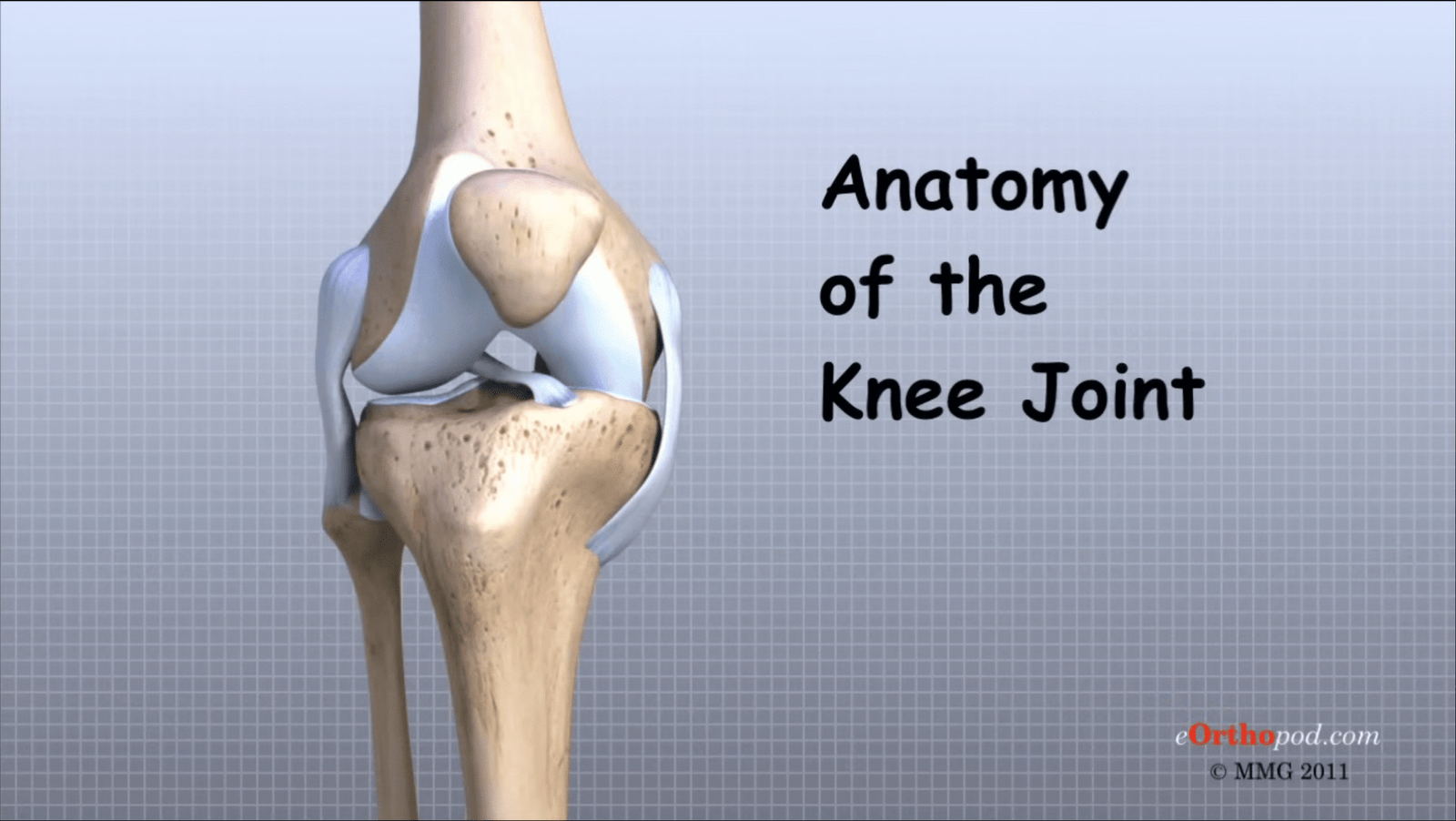
Knee Anatomy Animated Tutorial