

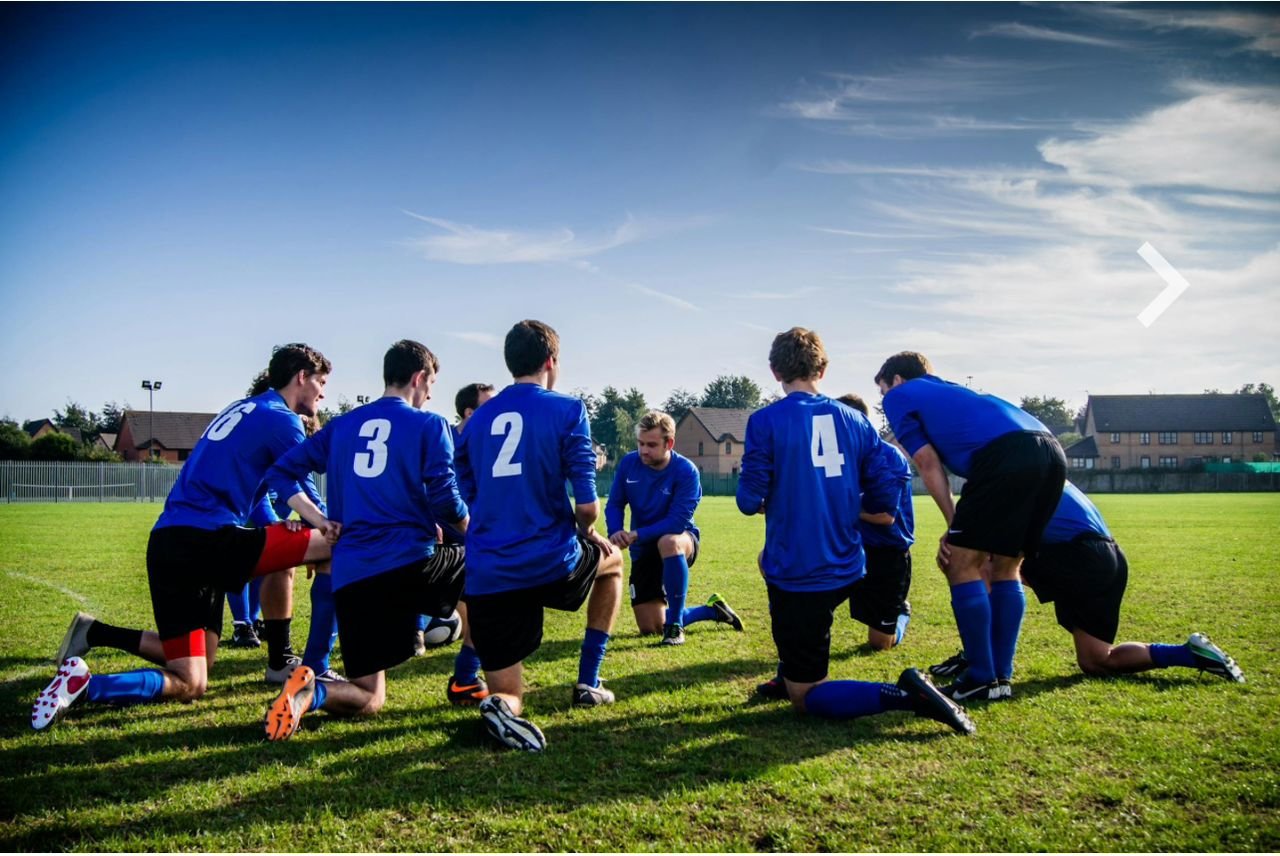
This section guides you through safe movement and recovery after ACL reconstruction.
The goal is not to do as many exercises as possible.
The goal is to do the right exercises, at the right time, in the right way.
In SPEAR, exercise progression is based on readiness, not time alone.
This means you should progress only when your pain, swelling, movement, control, and confidence allow it safely.
Important note:
This is a general guide. If you had additional procedures such as meniscal repair, meniscectomy, or other associated surgery, your movement or weight-bearing restrictions may be different. Always follow the advice of your surgeon and physiotherapist.
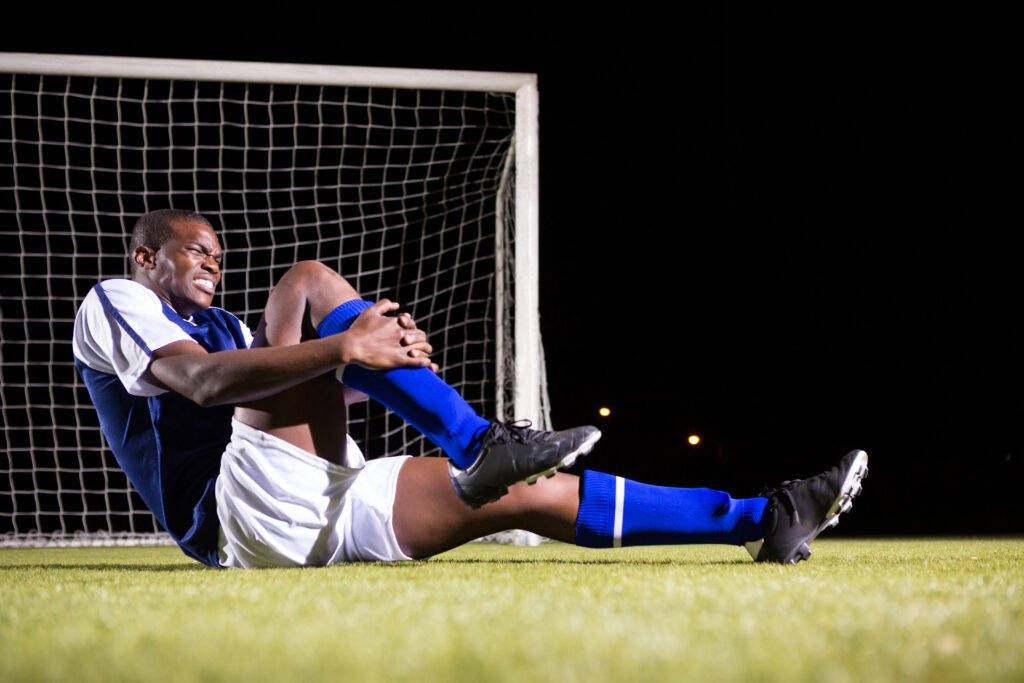
Focuses on gentle range-of-motion movements, isometric muscle tightening, assisted stretching, and controlled breathing to ease pain and improve flexibility.
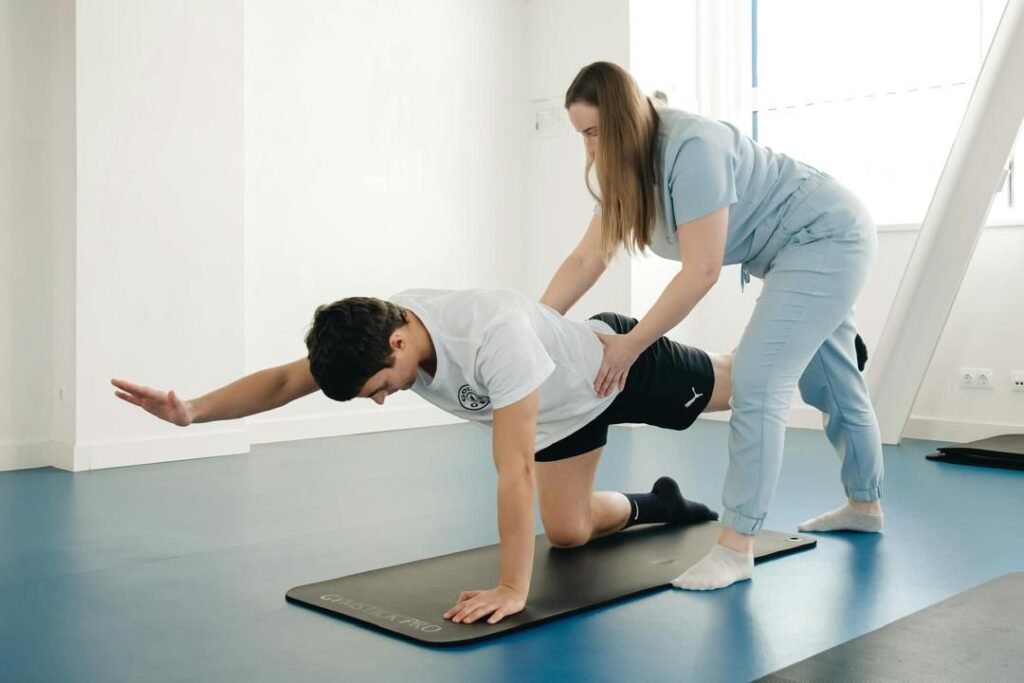
Introduces resistance band or light weight exercises, core and balance drills, functional movements such as sit-to-stand or step-ups, and low-impact cardio like cycling, walking, or swimming.
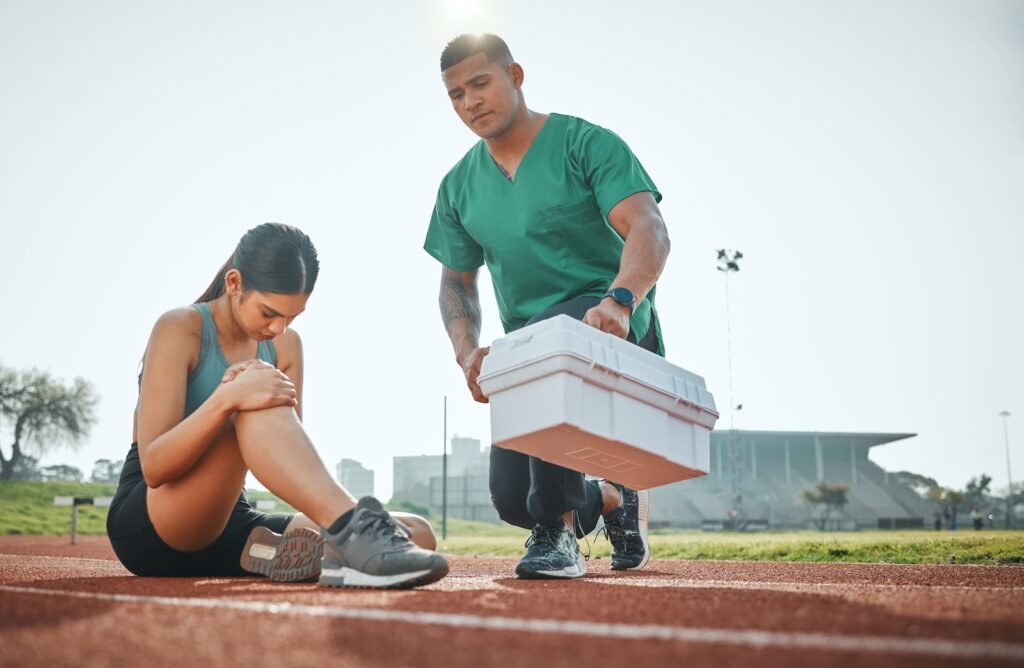
Prepares patients for daily life or sport-specific tasks through progressive strength training, agility and coordination drills, and functional exercises, while maintaining stretching, balance, and endurance to prevent re-injury.
Usual timeframe: Early recovery (commonly first 0–2 weeks)
This is only a guide. Progress depends on your condition.
Purpose: Improve circulation and reduce stiffness
How to do it: Move your ankle up and down slowly
Dose: 10–20 repetitions, several times a day
You should feel: Gentle movement, no sharp pain
Stop if: Pain increases or calf pain develops
Purpose: Help the knee straighten fully
How to do it: Rest your heel on a support and let the knee relax straight
Dose: Hold 1–3 minutes as tolerated
You should feel: Mild stretch behind the knee
Stop if: Sharp pain or swelling increases
Purpose: Wake up the thigh muscle
How to do it: Tighten the front thigh and push the knee down gently
Dose: Hold 5 seconds, 10 repetitions, 3 sets
You should feel: Tightening in the front thigh
Stop if: Sharp knee pain
Purpose: Improve thigh control
How to do it: Keep the knee straight and lift the leg slowly
Dose: 10 repetitions, 2–3 sets
You should feel: Thigh working without the knee bending
Stop if: The knee drops, pain increases, or swelling increases
It is normal to feel worried, stiff, or unsure in the early stage after surgery.
Ask yourself:
Reminder:
Small safe movement helps build trust in your knee again
Before moving to the next stage, ask:
Then:
Usual timeframe: Early to mid recovery (commonly around 2–6 weeks)
This is only a guide. Progress depends on your condition.
Purpose: Improve confidence in putting weight through the leg
How to do it: Shift body weight gently from side to side
Dose: 10 repetitions, 2–3 sets
You should feel: Controlled pressure through the leg
Stop if: Sharp pain or instability occurs
Purpose: Improve basic functional strength
How to do it: Stand up from a chair slowly with control
Dose: 8–12 repetitions, 2–3 sets
You should feel: Thigh and hip muscles working
Stop if: The knee collapses inward or pain increases
Purpose: Improve early lower limb control
How to do it: Perform a small squat within a safe range
Dose: 8–10 repetitions, 2–3 sets
You should feel: Controlled muscle effort
Stop if: Pain increases or movement becomes unstable
Purpose: Support knee control through stronger hip muscles
How to do it: Perform side leg raises, bridges, or hip abduction as prescribed
Dose: 10–12 repetitions, 2–3 sets
You should feel: Hip and glute muscles working
Stop if: Movement is not controlled
It is common to feel uncertain when starting more movement.
Ask yourself:
Reminder:
Safe repeated movement helps rebuild confidence.
Before moving to the next stage, ask:
Then:
Usual timeframe: Mid recovery (commonly around 6–12+ weeks)
This is only a guide. Progress depends on your condition.
Purpose: Improve functional leg strength and control
How to do it: Step up and down slowly with control
Dose: 8–12 repetitions, 2–3 sets
You should feel: Controlled thigh and hip effort
Stop if: The knee collapses inward or pain increases
Purpose: Build strength and control through both legs
How to do it: Lower slowly into a comfortable split stance
Dose: 8–10 repetitions, 2–3 sets
You should feel: Thigh and glute strength working
Stop if: Pain, instability, or poor form occurs
Purpose: Improve balance and neuromuscular control
How to do it: Stand on one leg with support nearby if needed
Dose: Hold 20–30 seconds, repeat 3 times
You should feel: Controlled balance effort
Stop if: You feel unstable or unsafe
Progressive Strength Work
Purpose: Build stronger support around the knee
How to do it: Continue strengthening with resistance as guided
Dose: Based on tolerance and physiotherapy plan
You should feel: Muscle effort, not joint pain
Stop if: Swelling or pain increases significantly
As activity becomes harder, fear may return.
Ask yourself:
Reminder:
Good control matters more than doing the exercise fast.
Before moving to the next stage, ask:
Then:
Usual timeframe: Late recovery / advanced stage
This is only a guide. Progress depends on your condition.
Purpose: Build advanced lower limb strength
How to do it: Continue more challenging strengthening as guided
Dose: Progress gradually based on tolerance
You should feel: Strong muscular effort with good control
Stop if: Pain or swelling increases
Purpose: Improve safe movement during impact tasks
How to do it: Practice controlled landing, deceleration, and alignment drills
Dose: As guided by physiotherapist
You should feel: Controlled effort, not instability
Stop if: Knee collapses inward, pain increases, or control is poor
Purpose: Prepare for return to more demanding movement
How to do it: Perform stage-appropriate drills based on your activity goals
Dose: Progress gradually
You should feel: Challenged but controlled
Stop if: Symptoms increase or control decreases
Return to sport is not only physical. Confidence matters too.
Ask yourself:
Reminder:
Feeling ready is part of recovery. Confidence and control should progress together.
Before moving to the next stage, ask:
Then:
Before returning to a higher level of activity, ask:
Stop and contact your physiotherapist or surgeon if you have:
Because recovery is different for every person. Time is only a guide. Your knee should progress based on how it is healing and how well you are moving.
That is okay. Stay in your current stage, continue the recommended exercises, and discuss it with your physiotherapist.
Yes. Some days or weeks may feel harder. Swelling, pain, or reduced confidence can happen. Recovery is not always linear.
Lorem ipsum dolor sit amet, consectetur adipiscing elit. Ut elit tellus, luctus nec ullamcorper mattis, pulvinar dapibus leo.