Cognitive Behavioral Therapy (CBT) inRehabilitation

🔹 What Is CBT?
  • Cognitive Behavioral Therapy (CBT) is a structured, evidence-based psychological approach.
  • It helps individuals identify, understand, and change negative thoughts, emotions, and behaviors that may affect recovery.
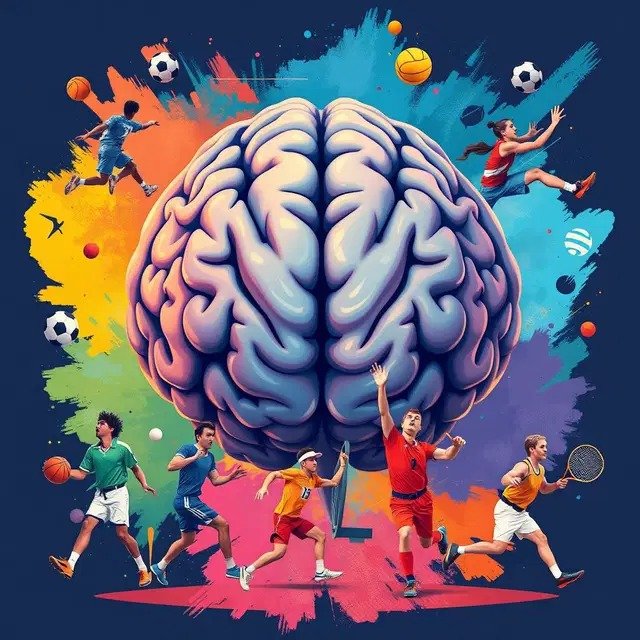
  • CBT is widely used in rehabilitation because physical healing is closely linked to a patient’s mindset, beliefs, and confidence.
  • The goal is to build healthier thinking patterns that support better physical progress.
 
🔹 How CBT Works in Rehabilitation
  • Helps patients manage fear, anxiety, and self-doubt that often appear after injury or surgery.
  • Encourages a positive mindset toward movement, reducing hesitation during physiotherapy.
  • Supports patients in taking active responsibility for their own recovery.
  • Integrates psychology with physical therapy to give a holistic rehabilitation experience.
 
🔹 Common CBT techniques used in rehab include:
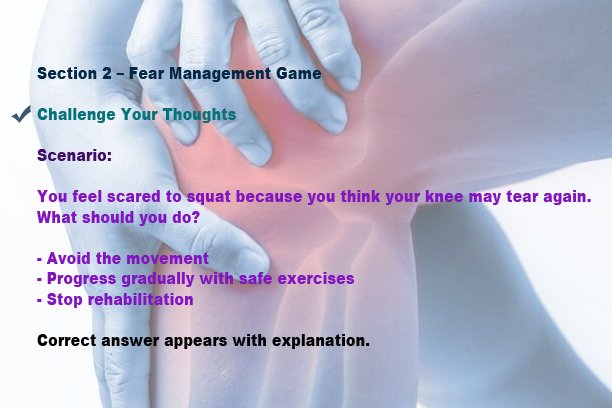
  • Thought reframing: Challenging negative thoughts like “I might get injured again.”
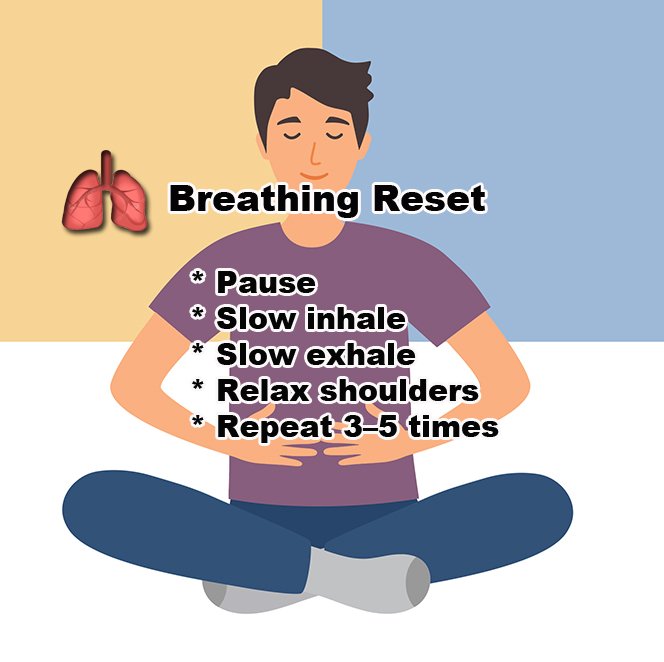
  • Relaxation training: Deep breathing, muscle relaxation, and mindfulness.
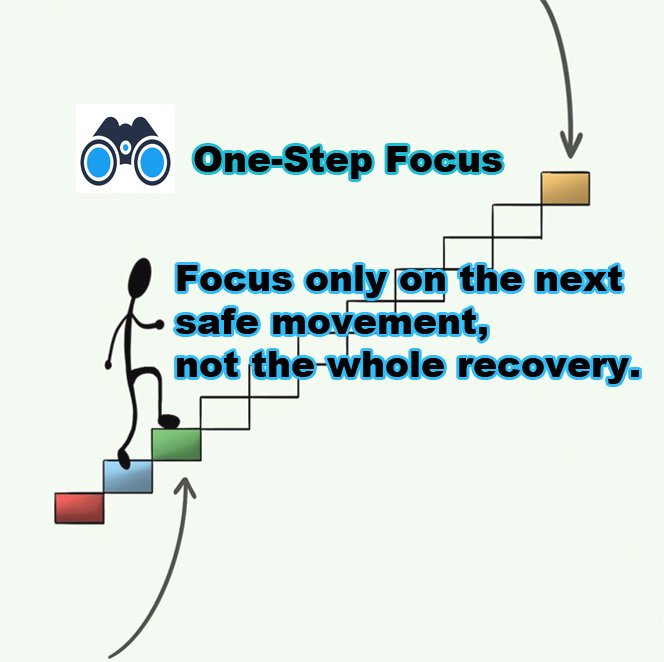
  • Goal setting: Creating small, achievable rehab goals to improve confidence.
  • Positive self-talk: Using encouraging internal dialogue to stay motivated.
  • Visualization: Imagining successful, pain-free movement to reduce fear.
 
🔹 Who Can Benefit From CBT?
  • Anyone undergoing physiotherapy or rehabilitation after injury, surgery, or long-term pain.
  • Patients with:
  • ACL reconstruction or other orthopedic surgeries
  • Chronic pain (e.g., back, knee, shoulder)
  • Fear of movement (kinesiophobia)
  • Low motivation during rehab
  • Stress or anxiety about re-injury
  • Suitable for athletes, older adults, and general patients.
 
🔹 Who Provides CBT in Rehabilitation?
  • Physiotherapists trained in CBT techniques as part of modern rehab practice.
  • Clinical psychologists specializing in pain, injury recovery, or sports psychology.
  • Rehabilitation specialists who incorporate psychological methods into treatment plans.
  • Many advanced rehab programs (like SPEAR) integrate CBT components directly into physiotherapy, making it accessible and practical for everyday sessions.
 
🔹 Benefits of CBT in Rehabilitation
  • Boosts motivation and self-confidence throughout the healing journey.
  • Improves adherence to exercise programs and home exercises.
  • Reduces fear of movement, enabling smoother progress with physiotherapy.
  • Helps patients overcome fear of re-injury, especially after ACL reconstruction.
  • Supports positive coping strategies during challenging phases of rehab.
  • Enhances overall mental resilience, contributing to long-term recovery success.
  • Promotes an earlier and more confident return to daily activities or sports.

10 Colorful daily affirmation cards.

Introduction to Cognitive Behavioral Therapy

Post surgery (Post-op) healing

Motivational Journey