Learn & Understand

Understanding
Knee Joint

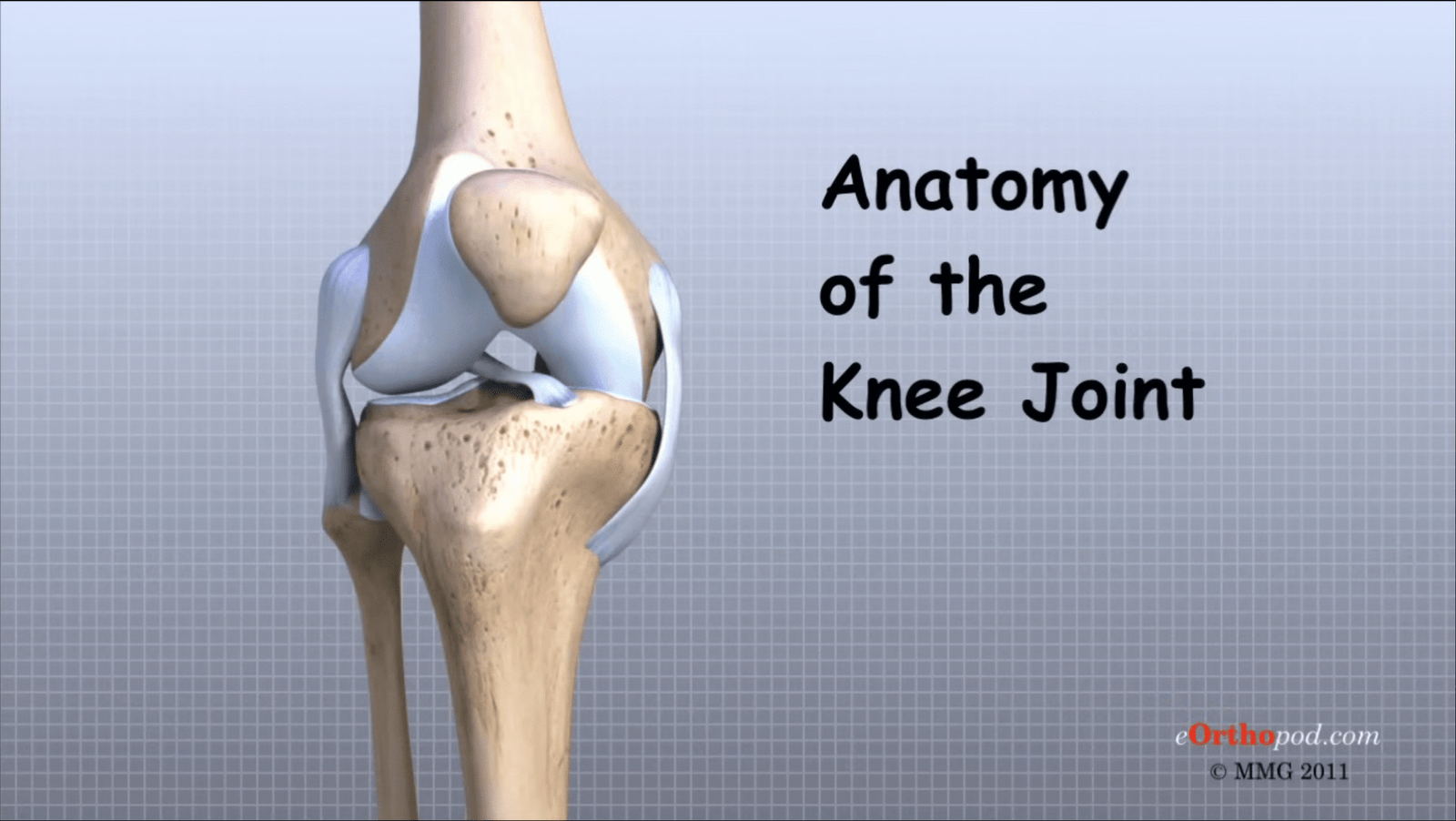
  • The knee works like a strong but flexible hinge connecting the thigh bone (femur) to the shin bone (tibia).

  • It also includes the fibula (smaller bone on the side of the leg) and the kneecap (patella), which protects the front of the joint.

  • Cartilage inside the knee acts as a cushion, allowing smooth movement and preventing the bones from rubbing together.

  • Ligaments are strong bands of tissue that hold the bones together and keep the knee stable.

  • Tendons connect the muscles to the bones, enabling the knee to bend, straighten, and move.

  • Together, these structures make the knee a powerful and stable joint that supports your weight and allows you to walk, run, jump, and move with ease.

Mechanism of ACL Injury

  • The ACL (Anterior Cruciate Ligament) helps stabilize the knee, especially during twisting or sudden directional changes.

Injury often occurs during sports or activities that involve:

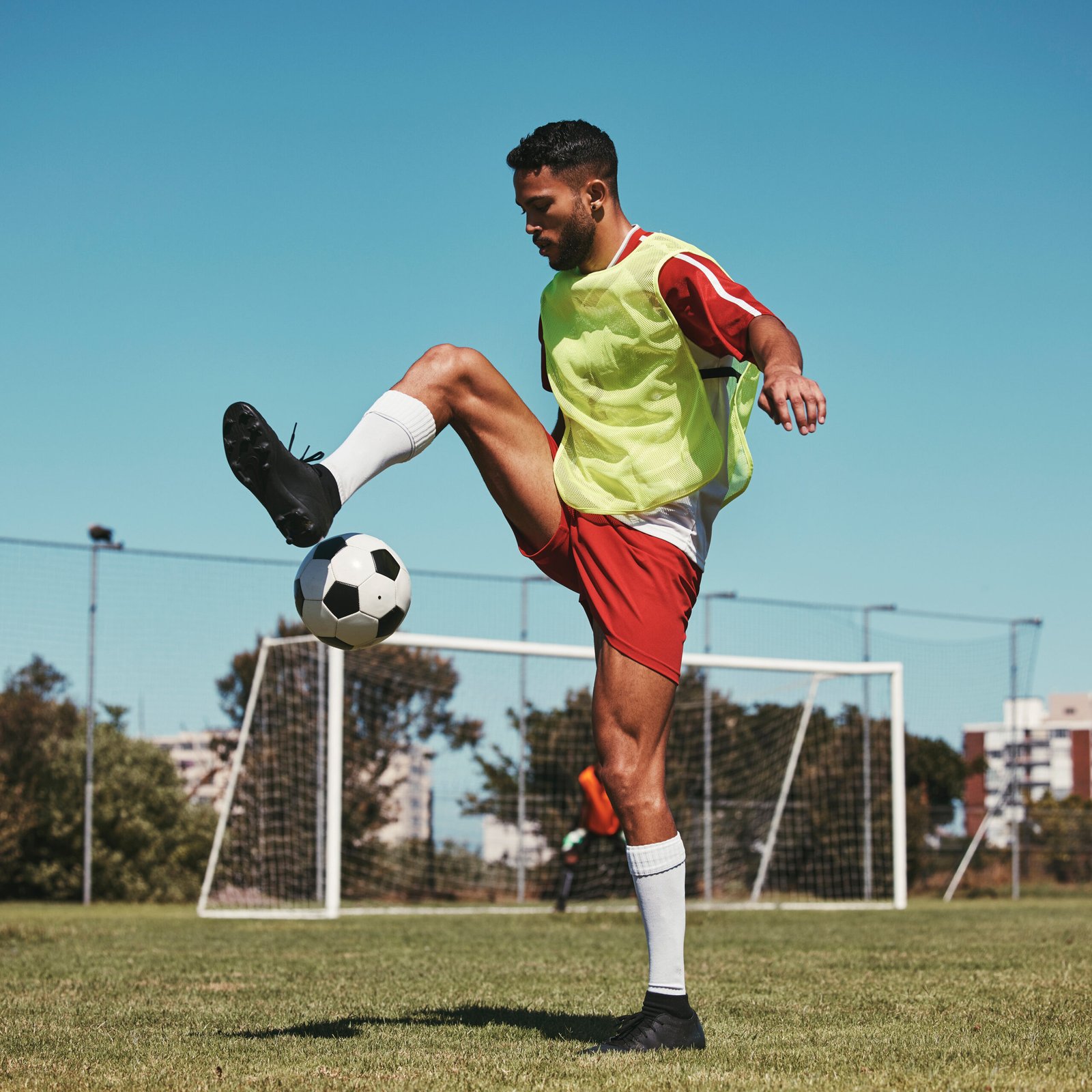
  • Sudden stops or changes in direction (e.g., football, basketball, badminton).

  • Landing awkwardly from a jump.

  • Pivoting or twisting the knee while the foot is firmly planted.

  • Direct impact to the knee, such as a collision or tackle.

-The ligament may stretch, partially tear, or completely rupture, causing pain, swelling, and instability.

-Many injuries are non-contact, meaning they happen without physical collision, often due to body mechanics or poor landing technique.

Understanding ACL Surgery

  • Purpose: ACL surgery repairs a torn anterior cruciate ligament, which helps keep the knee stable.

  • Procedure: The damaged ACL is removed and replaced with a new tendon (graft).

  • Graft Source: The graft is usually taken from the patient’s own hamstring or kneecap tendon, or sometimes from a donor.

Surgical Technique:

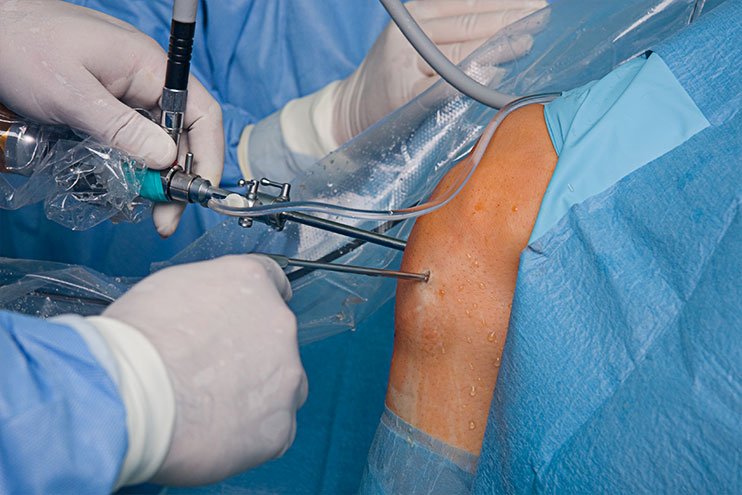
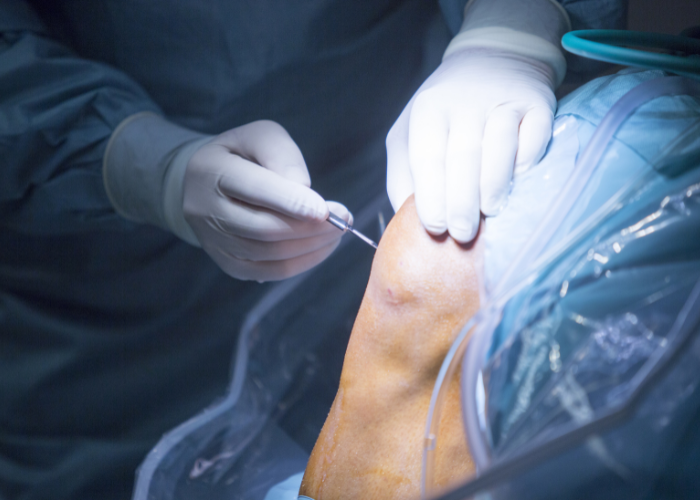
  • The surgeon makes small incisions and uses a camera (arthroscope) to guide the procedure.

  • Bone tunnels are drilled to position the new tendon correctly.

  • The graft is then fixed in place to allow healing and transformation into a new ligament.

Recovery:

  • Post-surgery rehabilitation is essential for full recovery.

  • Patients undergo physiotherapy for several months to regain strength, movement, and confidence before returning to daily or sports activities. Rehabilitation After ACL Surgery

  • Most ACL rehabilitation focuses mainly on strength and physical recovery.

  • However, many patients still struggle with fear of reinjury, fear of movement, and loss of confidence even after regaining strength.

  • The Structured Psychoeducation for ACLR Rehabilitation program was created to bridge this gap by addressing both the mind and body.

  • Through simple education, self-reflection, and guided techniques, Structured Psychoeducation for ACLR Rehabilitation helps patients understand their recovery, manage fear, and build confidence step by step.

Complications After ACLR Surgery

  • Knee stiffness or limited motion – difficulty fully bending or straightening the knee.

  • Persistent pain or swelling – may continue for weeks or months after surgery.

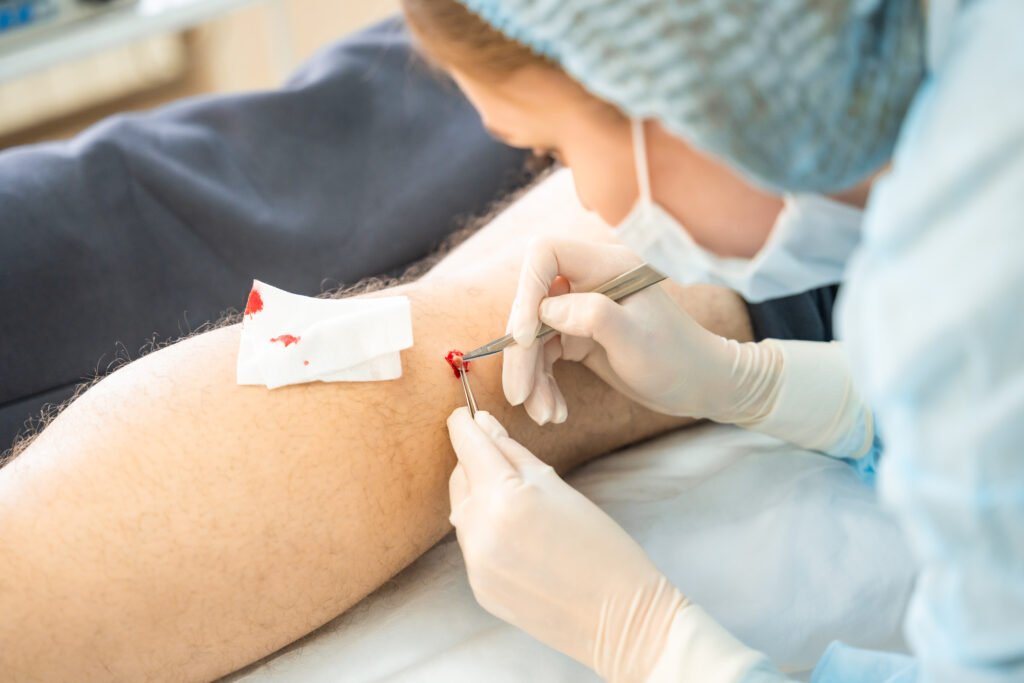
  • Infection – rare, but possible at the surgical site.

  • Graft failure or re-tear – the new ligament may stretch or rupture again.

  • Blood clots (deep vein thrombosis) – can occur in the leg veins after surgery.

  • Weakness or muscle imbalance – especially in the thigh (quadriceps) or hamstrings.

  • Numbness around the incision area – due to small nerve irritation.

  • Arthrofibrosis – excessive scar tissue formation causing stiffness.

  • Early joint degeneration (osteoarthritis) – possible in long-term cases.

  • Fear of reinjury and loss of confidence – psychological barriers that can delay full recovery.

What Happens When Your ACL Tears?

How Does ACL Injury Happens and What can You Do

Knee Anatomy Animated Tutorial